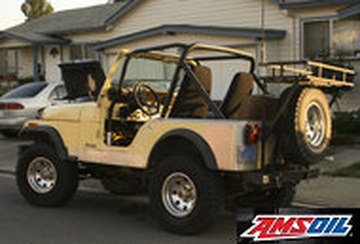
Engine Lubrication and Maintenance for the 1980 Jeep DJ-5 2.5L
Maintaining a vehicle from the early 1980s requires a shift in perspective from modern automotive care. For owners of a 1980 Jeep DJ-5 equipped with the 2.5L engine, routine service is not just about following a schedule; it is about active monitoring and understanding how aging components interact with various fluids. Proper lubrication management is a cornerstone of preserving the mechanical integrity of this vehicle over the long term.
Monitoring Fluid Integrity and Potential Leaks
As vehicles age, the materials used in gaskets and seals can undergo changes in elasticity and composition. For the 1980 Jeep DJ-5, regular visual inspections are a practical way to stay ahead of potential issues. Rather than waiting for a significant puddle to form under the vehicle, owners should look for signs of seepage or dampness around various engine junctions.
When performing routine checks, pay close attention to the following areas:
- Sealing Surfaces: Inspect the areas where major components meet to check for any evidence of weeping or slow leaks.
- Drain Areas: Check the area around the oil drain plug and the filter mounting surface for signs of residue that might indicate a loose or improperly seated component.
- External Connections: Look for any fluid that may be migrating along wiring harnesses or electrical connectors, as this can sometimes mask the actual source of a leak.
If you notice changes in how much lubricant the engine seems to use between service intervals, it warrants a closer investigation. It is important to remember that various factors—including operating temperature and driving habits—can influence fluid levels, so consistent monitoring is more effective than reacting to a single observation.
Prioritizing Maintenance Based on Current Condition
For an older vehicle like the 1980 Jeep DJ-5, maintenance priorities should be dictated by the actual condition of the machine rather than just the calendar or mileage. If you have recently acquired this vehicle and do not have a complete service history, establishing a baseline is the most effective first step.
Establishing this baseline involves documenting the current state of all vital fluids and inspecting aging materials. Once you know the current condition of the 2.5L engine's lubrication system, you can distinguish between necessary preventive maintenance and unnecessary parts replacement. For example, if a component is still functioning correctly and shows no signs of degradation, there may be no immediate need for replacement, whereas an active leak or a significant change in fluid appearance should be addressed immediately.
Keeping a detailed log of every oil change, filter replacement, and observed inspection result provides invaluable data. This history allows you to identify patterns—such as whether certain seals are beginning to weep more frequently or if the engine's lubrication needs are changing as it ages. This data-driven approach helps in making informed decisions about where to allocate maintenance resources.
Observing Potential Warning Signs
While many issues can be caught during a visual inspection, some signs of trouble may only manifest while the vehicle is in operation. Recognizing these indicators early can prevent more significant mechanical complications.
An unusual odor that seems to change when the engine reaches operating temperature might indicate that lubricant is contacting a hot surface. Similarly, any unexpected mechanical noises during startup or while idling should be investigated promptly. While sounds can have many different origins, they are often an early signal that something in the lubrication or mechanical system requires attention.
If you observe changes in the appearance of the oil—such as unusual discoloration or a texture that seems inconsistent with standard used oil—this is a reason to perform a thorough check. Additionally, if any warning indicators on the dashboard illuminate, do not ignore them; these are direct signals from the vehicle's monitoring systems that require immediate diagnostic attention.
Managing Aging Engine Components
The 2.5L engine in this Jeep is subject to various environmental and operational stresses over decades of use. Beyond just the oil itself, other components that rely on proper lubrication or are located near heat sources should be monitored. If equipped, inspect accessible drive belts for signs of cracking, glazing, or fraying. Similarly, if the vehicle is equipped with various hoses, check them for brittleness or soft spots that could indicate they are nearing the end of their service life.
Maintaining a clean environment around the engine can also assist in effective maintenance. Accumulated debris can sometimes hide small leaks or trap heat, so keeping the engine bay relatively clean allows for much more accurate visual inspections during your routine checks. This proactive approach ensures that when you do perform an oil change, you are also performing a comprehensive health check of the entire engine compartment.
Practical Steps for Long-Term Ownership
Successful long-term ownership of a 1980 Jeep DJ-5 involves moving from reactive repairs to proactive management. This means looking at the vehicle as a complete system where the condition of one part can affect another. For instance, maintaining the correct cooling system performance is essential for ensuring that the engine oil operates within its intended thermal range.
If you are working with a vehicle that has an incomplete service history, do not feel pressured to replace every aging component at once. Instead, focus on addressing active concerns first—such as leaks or visible wear—and then move toward stabilizing the vehicle through consistent, documented maintenance. This method prevents unnecessary spending while ensuring the most critical systems remain reliable.
Buying Engine Oil for your 1980 Jeep DJ-5 2.5L
When it is time to replenish the lubrication in your engine, the most important step is to ensure the product you select matches the specific requirements of your application. To ensure proper performance and protection, match the engine oil to the application-specific viscosity information already displayed on this webpage.
As you shop for products, consider the following practical tips:
- Verify Labeling: Always check the product packaging to confirm that the SAE viscosity matches what is listed in your vehicle's application data.
- Check Certifications: Look for appropriate API service classifications on the bottle to ensure the oil meets modern quality standards for lubrication and deposit control.
- Evaluate Formulations: Depending on your specific needs, you may choose between conventional, synthetic blend, or full synthetic oils. Some high-mileage oil formulations contain additives intended for use in aging engines, including seal-conditioning additives that may be beneficial for older seals.
By strictly adhering to the viscosity and application details provided on this page, you can select a lubricant that is appropriate for your 1980 Jeep DJ-5's 2.5L engine without relying on guesswork or outdated assumptions.